
Understanding OFAC Regulations: Compliance and Resources
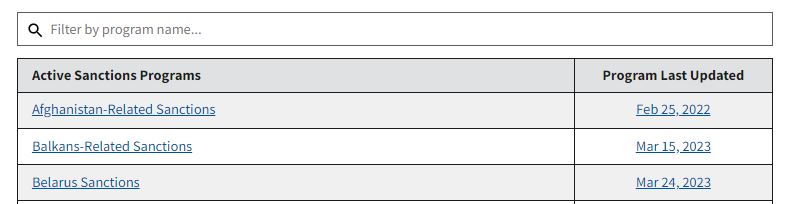
The Office of Foreign Assets Control (OFAC) plays a crucial role in overseeing and enforcing economic and trade sanctions based on U.S. foreign policy and national security goals. Businesses and individuals engaging in international trade and finance must comprehend the regulations set forth by OFAC to ensure compliance and avoid severe penalties. For more detailed insights into OFAC-related legal resources and compliance measures, you can visit this OFAC page https://streetouterwears.com/pages/understanding-ofac-related-legal-resources-and-compliance-pages.html.
What is OFAC?
Established as part of the U.S. Treasury, OFAC administers and enforces economic and trade sanctions. These sanctions can target specific countries, organizations,

or individuals deemed a threat to national security. The regulations govern a wide range of activities, including the freezing of assets, restrictions on financial transactions, and interstate trade restrictions.
Importance of Compliance
Compliance with OFAC regulations is essential for any entity involved in international transactions. Violations can result in significant fines, legal actions, and reputational damage. By understanding OFAC sanctions, businesses can take proactive steps to mitigate risks associated with non-compliance.
Key Regulations and Guidelines
OFAC regulations are extensive and cover several areas, including:
- List of Specially Designated Nationals (SDNs): This list includes individuals and entities with whom U.S. persons are prohibited from engaging in transactions. Regular checks against this list are vital for compliance.
- Country Sanctions: Some countries are subject to comprehensive sanctions, affecting all transactions. Others may have targeted sanctions that only affect specific individuals or sectors.
- Licensing Requirements: Certain transactions may require a license from OFAC, allowing for specific activities that would otherwise violate sanctions.
Best Practices for Compliance
Businesses should adopt several best practices to ensure compliance with OFAC regulations:
- Conduct Regular Training: Staff involved in finance and compliance should receive proper training to understand OFAC regulations and the implications of non-compliance.
- Implement Robust Screening Processes: Develop due diligence procedures, including screening potential partners and customers against OFAC’s SDN list.
- Establish a Compliance Program: A well-structured compliance program should include policies, procedures, and dedicated personnel to oversee compliance efforts.
Resources for Further Information
Several resources are available for businesses looking to enhance their understanding of OFAC regulations:
- OFAC’s Official Website: The official OFAC website provides access to the latest regulations, lists, and guidelines.
- Legal Advisors: Engaging legal advisors with expertise in trade and economic sanctions can provide critical insights into compliance requirements.
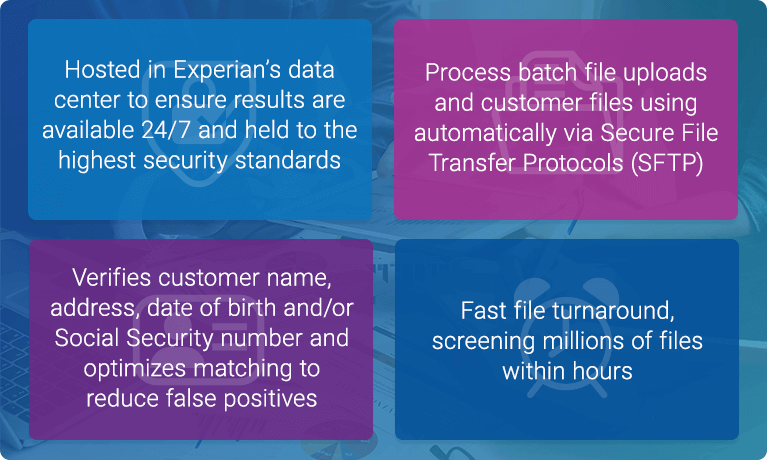
- Compliance Software Tools: Various software solutions can help businesses automate the screening process and maintain compliance records.
Conclusion
Understanding OFAC regulations is crucial for any organization engaged in international trade and finance. By adhering to compliance measures, businesses can operate responsibly and protect themselves from legal repercussions. This proactive approach not only fosters financial integrity but also reinforces the U.S.’s commitment to national security and foreign policy objectives.
